Thursday, April 26, 2007

The Team
Malawi GTT 2007 Team


"The Doug"

"The Shena"

Xolani shaking it up

"The Tent Makers"
(Justin Steel-Hands, Robin Razor-Back, Nick Pole-Eater)
"Vaughan The Honest"
"The 3 Amigos"
(Dilan X, Lucky Luke, Shelana Blue-Eyes)
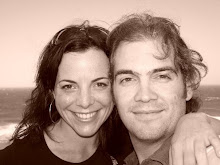
"The Priceless Sue"
(That would be the one on the right)

Die Nuus

"The Doug"

"The Shena"

Xolani shaking it up
Wednesday, April 18, 2007
Malawi 2007 - April GTT
This April saw a team from Glenridge going to Malawi for a few days training of local church leaders. The idea of church leader training is seen as part of the mandate given to all beleivers by Jesus in Matthew 28:18 -
"All authority in heaven and on earth has been given to me. Therefore go and make disciples of all nations, baptizing them in the name of the Father and of the Son and of the Holy Spirit, and teaching them to obey everything I have commanded you"
We have been involved in Malawi training times quite frequently and they are always challenging but very rewarding.
 So we departed on Monday the 2nd April headed for Blantyre. The start of a 5500km journey. Our convoy included 2 Toyota's and a Land Rover (and a few tow ropes just in case). Our first over night destination was The Elephant Inn, just short of Musina. After leaving Durban at 4:30am with a stiff Wild Bean Cafe stimulant, we headed off on a long day's drive. The route to Musina is about 1200km, but most of it is on good roads (not suprised considering the expense of the tolls we paid). We managed to miss the dreaded JHB lunch time traffic and got to Musina in good time for a well deserved supper in their resturant.
Day 2
The next day was an early start to try and beat the Beitbridge border post rush. In the past we have spent anything from 30 minutes to 2 hours at this border post. The system seems to constantly change and so do the charges. Last October it costs R1.48 in taxes to carry an extra 25 litres of fuel in the Jerry can on the roof, this year 40 litres cost us R125.00. How that happened, I don't know. So this time we got away in about 1 hour 35 minutes, which given the early start we had is quite annoying! Zimbabwe is not in a good state. The border post seems to be crumbling under the heavy traffic and one wonders how any policing is done with the number of people passing through. But fortunately we did not have any other hassles and were able to set our sights on our next destination - Masvingo, about 480km on - for lunch.

 We have a regular rest place for the 2nd night, which is a struggling resort on a dam called Chicamba Dam. The first time we went in 2002 is was a paradise in the midst of poverty, but new management has taken over and we haven’t since succeeded in getting hot water and electricity at the same time. It is either one or the other, or neither! But for tired bodies any bed would do, even if the planks of the bed are not nailed down and need to be reshuffled during the night. We negotiated a price as always and put forward the option of putting mattresses on the ground and we managed to get a price of about R78 pp. (The HUGE rain spider we found in our bathroom was free of course). The next day we had a long drive to Blantyre so we had to have a rapid-fire supper so that we could get to bed. Supper consisted of rice and a mixture of tuna and sauces to make a very tasty end to a long day. (If you have stumbled across this through Google, Casa Msika is still the best spot for many kilometres so don't be put off)
Day 3
Day 3 is the tough drive through northern Mozambique which includes roads you definitely do not want to travel at night. The first few kilometers are all good, but soon the tar starts eroding from the edges of the road and in some places it gets so narrow that only one vehicle can pass at a time. This and the fact that where the tar has eroded, it leaves sharp jagged edges that can cut your tires if you go off, make it a high concentration zone and that is without the many trucks that come charging towards you at 100km/h without a hint of making space for you. There are moments where you contort your body away from the doors and grimace expecting to hear your mirror being lopped of by a passing truck.

The potholes are another story. Oh beautiful South African Roads how we missed you! Potholes are as abundant as mosquitoes in Mocambique. At times you look like a grand prix car on its warm up lap, but soon you start to hit a few as you cannot drive the length of northern Mocambique at 20km/h and hope to get to Blantyre by sunset. So you do some calculations in your head and you settle for the fact that you are going to hit some of the them and some very hard. Especially when they stretch the width of the road! Often you have to slam on brakes and crawl though them.
There are quite a few towns in this stretch, but we try and make it a habit of not stopping near them as the pedestrian traffic increases dramatically and we could often run into hassles with curious passers by. Also the fact that each stop includes a “bush loo” break, makes us want to find a more private “bush” for the ladies.
Petrol is always a concern for me. Often we can make the distances we plan with the amount of fuel we have in theory, however with different loads and equipment on the roof, we can sometimes find ourselves a bit short in the end. Thanks be to trusty jerry cans, it is like having a yatch with an outboard motor just in case the wind dies. We have now got siphoning down to a fine art with the use of a siphon pipe with a marble bearing which enables you to siphon diesel from your roof into your tank with out any sucking. Ech! We learnt very quickly the first few times: R125 for a siphon pipe is cheaper than a mouth full of diesel.
 The next major town we arrive in is Tete. Unfortunately this name in not very complimentary to the town. It is very dirty and run down, but the sight of the “Mighty Zambezi” is always impressive and you get the feel of being a real adventurer when you see it. It is a powerful river and standing alongside it you can’t help but marvel at the power of moving water. We have lunch here at a place that was flooded in recent times, but it is always a good place for an ice cold coke. James from the restaurant next door sells us rolls at M10 000 for 5 (roughly R4.40) and helps us with getting change to pay for our cokes at our lunch spot which offers a very poor exchange rate. We also have to remember to get some Meticas here for the Tete bridge crossing on our return. (M10 000 per car). The Tete bridge crossing is always a frenzy of activity. Many bicycles and padestrians, not to mention goats and chickens!
After the bridge comes the saddest area for me. It reminds me of the leper colonies of biblical times. Getto’s call it, of shacks in donga’s with little or no vegetation anywhere to be seen. Seems to be a very poor area, but in the midst of this is “Jesus e’bom” campsite (Jesus is Lord campsite). We tried to stay here once, but it is very basic and putting up tents in transit is always a tiring thing, so we prefer to try and get some chalets.
All that’s left now until we reach the Malawi border is the 100km Tete corridor. This is quite a nice stretch knowing that the beautiful land of Malawi is ahead. It is typified by elephant grass on either side of the road and at times you cannot see the road ahead due to the snaking through the grass that is taller than your car!
We finally reach Zobwa border post. Invariably a long one. If you get through here in less than an hour you are good! You have to sneak past the moods of the Mozambiquan exit border guards, pay your dues and immediately the landscape changes. Suddenly in the place of dry arid grass land, you cross over a small mountain range into a luscious, furtile land. There is a 5km stretch of road between the Mocambiquen and Malawian border posts. I assume this is no-mans land, but there are many huts and traders on the side of the road. One of the trades here is to break rock up into gravel with the use of a hammer and chissel. So all along the sides of the road are guys doing this.
My heart always warms as we reach the Malawian border post. You are greeted by a swarm of insurance salesman… literally. Every country requires you to buy 3rd party insurance for your vehicle in case you crash into someone, and this is always a haggle. What we have learnt is that you keep your slips from the last year and when they say insurance will cost K2500 (Kwatcha) you refuse and show them you slip from last year for K2000 and they give you last years price. Some teams this year got charged K5000 simply because they weren’t knowledgeable of the "African Way". You also need to get a TIP (temporary import permit) at every border that allows you to import your vehicle. This is proceeded by a prolonged inspection of your engine number and chassis number in all sorts of places. Once again the charm of a local dialect greeting gets much mileage. “Muli bwanji? nDilibwino Kaino, nDilibwino” (How are you? Fine and you, Fine) and then I throw in the jaw dropper – “Ngasangalala Kwambiri Kufika Bano” (I am happy to be here) And by that time, we are friends and they let us go without the lengthy inspection.
The remainder of Day 3 is a 110km drive from the border to the base in Blantype. The base is a plot of land that Hennie Keyter purchased many years ago with the vision of building a training centre to facilitate the training of literally thousands of leaders at a time. The massive tent that defines the base can seat 9000 people (African style) and is a land mark in the area. The base is also a church on Sundays and a camping ground whenever we have training times. Internationals like ourselves have place to pitch our tents and in recent years flushable toilets and showers. Our first visit saw the use of a “donkey” – drum over a fire – to make some hot water and long drops. But now the base has become “home away from home”. There we meet Stanley Kanova who leads the church on the base as well as Rob and Trish Caewood, from Hout Bay originally, who have relocated to Malawi and James the groundsman.


We arrived quite late that night, so it was roughly a 13 hour drive although we did only about 700km. We all pitched our tents in time for a quick bite and a short meeting to assign us to our various GTT (Geographical Training Time) locations. We were very pleased to be assigned to Ncheu, a district half way to Lake Malawi, north of Blantyre, with the promise of seeing the beautiful expanse of water on the way back.
Day 4
My heart leapt when I heard we were going to a church led by George, a man who’s heart mine had knitted with in 2005 when we had been at another church in the vicinity. George did not speak much English at the time, but we made a connection and since that time I have fondly looked forward to seeing him again. We had been assigned an interpreter by the name of Luka Dama, a chap we had traveled with before who always has a way of adding some spice to our meetings. On the way we went past Daniel's church where we had been in 2005 and greeted his family along with his children who play in a band complete with drum kit and guitar all made from wood and scrap. It was a quick greeting as we had quite a way to go, so we piled into the cars again and headed up further north.
 The trip off the tar road towards George's village – Kapote – was exhilarating. The bridge had been washed away so we had to take a 8km detour which took us through donga’s and crossings which demanded locked hubs and low range and all. Oh this was fun! You can take a man out of the bush, but you can’t take the bush out of a man! We put our vehicles to the test and all passed with flying colours.
On arriving the ecstatic embrace I received from George exceeded my expectation of meeting him again. What a delightful man. They had prepared a “boma” for us next to their homestead which consisted of a clearing surrounded by tall grass for a bit of privacy. Although we feel separated a bit, sometimes it really helps to keep the kids at bay and the goats from scrumaging through our supplies. Our “boma” comes complete with two en-suite long drops and two showers. The long drops are… well, let's leave that description out, but the showers consist merely of a few bricks on the ground upon which we can stand while “showering” to prevent our feet from getting muddy. Other than that, it is up to us to use our buckets to hold the water and a cup to pour the water over our heads. It’s always quite an exercise to dress balancing on loose bricks and especially to get ones socks and shoes on. But it is incredibly refreshing to have a shower under the stars and feel relatively clean after a long day in the dust.

Cooking meals in the bush is always a group effort. We take our own gas and pots and cups and water. There is something special about boiling water over a gas stove and watching and waiting. The smell of gas and the sound of a fork scraping a metal dish...

 Another good reason not to have meetings in a church building are the uninvited guests you may find sitting in the back row.
 Another highlights of this trip was to play a game of soccer with the locals. So after the second day of teaching, Bafanna bafanna were all kitted out and ready to take on the Flames. We were hoping for a friendly, but on arriving at the field, the impression that we got was that these guys were not there to build relationship. They wanted to show us that soccer is an African sport. The game was tense, but in true African style, it constituted many long wayward kicks that gained 50 metres, but turned over possession at the same time. That and the fact that the field had its “highs” and “lows” (hills and dongas) led to a goalless encounter – which in the end was probably best.
The second day saw an opportunity for another matchup, this time with more spectators, but this also proved to be a goalless draw with some of the older internationals sitting this one out due to stiffness. At the end of this game we had the opportunity to give a salvation message and about 20 youngsters responded and we trust some were saved. At the end of our time at the local church, one of the comments made by a leader was: “We can see that because you were willing to play soccer with us, that you came not only to teach, but also to be our friends”. That was remarkable. News also travels fast in Malawi, and the first road block official we encountered on our return trip remarked “I hear you played soccer in the village?”.
Often one could feel that these trips are like a B52 bomber that flies in, drops its payload and then disappears, so every effort is made to try and “be” with the local church. The cultural differences are sometimes are so great, that it is often difficult to really connect. That and the fact that we only had one interpreter meant the he was talking more that anyone and was well deserving of a rest every night. Our hearts are always to share meals with the local guys, but wisdom has to prevail in these circumstances. In is not good to eat some local food the first night and then be on your back for the rest of the time with a stomach ache. We need to be careful to always be washing our hands in a bowl with Milton before meals and after meetings. But we try all we can do to pull down the dividing walls. I remember one encounter back in 2002 where we shared a meal with the locals and the fact that we ate from the same plates and shared cups, broke many mindsets. A "missionary" group had come to the area many years before and when one of the locals sneaked a sip from a tea cup, a woman broke the cup and said “your mouths are like pigs!” What a legacy we have to conquer! “Tourists” also make it very difficult for us. They drive along and throw sweets from their windows and quickly instill a mentality that we are there to give and they must beg. So for us we almost have to go to the other extreme to break this mindset. Paul teaches also that the local church must support the apostolic, but at the same time he worked at night to try and not be a burden to the churches he visited. So we do end up having a bit of a “us and them” situation. We want to be clear that we are there to raise up and train leaders and not to build churches and extend roofs.
The evenings in Malawi were extremely hot, and this is always one of the stretching parts for me. Although we were in tent without a tarpaulin, just netting on the sides, you tend to stick to everything you touch. Your mattress feels like a hot-rock the thought of getting inside your sleeping bag and daunting, especially because most sleeping bags are designed to keep you warm.
After many meetings and much fellowship it came to our last night and we designed to have a celebration evening under the stars. There was no moon that night which meant that you could hardly see the person in front of you. Remember that we are about 200km from any electricity, so without a moon it is pitch dark. So the locals gathered the people in front of the homestead and we took our position, but it was only once we had lit our gas lamp that we saw how many people had assembled. Probably 120 people including many kids were sitting in expectation for the evening's festivities. They started off with some choir items with are always very impressive. For a people with no instruments other than a drum, their voices were amazing. Many Chichewa songs were song and as always they throw in an English song for which you can tell they don’t really know the words they are singing, but rather just the sounds. Our favourite one was “I want to follow, I want to follow, I want to follow Jesus” which kind of repeats itself over and over again.
 Then was the chance of the Mzungu choir which paled in comparison, but we gave it our best shot. African are always fascinated by our singing because they say we go up and down all the time where theirs is in a narrower range. We decided to also act out a few parables to bring across the heart of the Father. So we enacted the parable of the lost sheep (sheep bleating and all) and also the parable of the prodigal son (Sue making a wonderful pig). We gave another salvation call and we trust that those who put up their hands were saved. It is always difficult to know whether the guys are responding to you being a foreigner or they are really responding to the Lord. Most African preachers we encounter mainly preach a salvation message of “You must get saved” and so when we come and preach on God the Father and how the family should function, there is always a hunger for more of this kind of preaching and teaching.
The last morning we decided to have all the leaders join us for a cup of tea and an Ouma rusk in our Boma for some more fellowship. Having one interpreter for these kind of times is always difficuly and he invariably doesn’t get to finish his tea before it gets cold, but I suppose that is what he is there for. After 4 days in the bush we were ready to head up further north for a days break at the lake. So we packed up and said our “goodbyes till next time” and exchanged gifts of left over food supplies and pumpkins.

After a “camel man” river crossing and passing our official who commented on our soccer game we were headed to the Calendar Lake. So called because it is 365 miles long and 52 miles wide and its widest. The lake is spectacular the first time you see it. It has waves and apparently the British one fought a naval war on the lake battleships and all. Its is quite a shock to dive into the water and its all fresh! No salt. We had negotiated a $2.50 pp camping fee for the night and the promise of steak made us set our tents up in no time ready for an slow evening dinner. Its is always a pleasure to go to a restaurant after cooking your own meals on a gas stove.
Day 8
Day 8 was an early start – 4:30 – in order to get as far as Chicamba dam again. Now we had traveled an extra 300km away from Mocambique so we knew it was going to be a push to get there before dark. Knowing also that we did not want to reach the jagged tar section in the dark. Dusk is always a bad time to be driving in African. Children returning from school run into the roads unexpectedly and goats are returning home from the days foraging. This and the fact that we had to get through and exit and entrance border made the day a long one. Its is painful to watch an official hand write a form in front of you at a snails pace. Knowing that every minute of daylight is precious, and that you could write the same thing a lot quicker! Grace, grace, grace. The last thing you want to do is upset an official on your return journey.
The espresso, at Tete (which was my first ever) was a real help that day. Its may sound larny that you can get an espresso in Tete, but this was not a Mug & Bean. By then the fears of local water had made way to the need for a stimulant. We made Chicamba by 7 that evening in the dark after an eventless journey. Not even a chicken saw the end of its days. We have a genral rule: If you hit a person, drive to the nearest town and get hold of the local police, if you hit a chicken, run for your lives and remove the feather from your grill! Chickens are very valuable in African, and we would love to apologize, but some have faced angry mobs after such incidents.
The 14 ½ hour drive was long and after a magnificent pasta meal, we were fast asleep for a few hours before another crack of dawn rising to beat the rush at the Zim border.
Day 9
After a hop, skip and jump though the Zim border and many “Makadiiiis”, we were gleefully looking forward to the next night in South Africa. Driving home is always difficult as most of the time you are like a Drakensburg horse where the return journey is always the fastest. It is also a deceptive journey through Zim, with the next landmark always feeling like it's just around the corner. There is a lot of road kill to look out for in Zim as there are many game farms along the way. But we made it through the Zim border and into Polokwani in good time and stayed in comparative luxury in a guest house that had 2 beds per room, a shower and TV! So we caught up on some news and made our way to the Spur for some good South African food. The menu and the bustle was overwhelming after being in the sticks but we made short work of burgers and milkshakes. Day 9 was a 14 hour drive.
Day 10
The last day of our journey demanded another Espresso in Harrysmith to see us home. We got home in time to see friends and family at our Wednesday prayer meeting and catch up on some news.
It’s amazing that when you are away, out of your comfort zone, things really get put in perspective and you realize the things that really matter and the things that don’t. People become very important when they are not around and things like carpets really become luxuries! We are so consumed with our comfortable world that things that don’t really have much eternal significance can become mountains and things that do really matter are left till later. I am convinced that it is a deceit of the enemy to keep us preoccupied with the worries of our lives to prevent us from seeing through the foolish to find the wise. Often we think these trips are to be a blessing to the people we are going to see, but invariably we are more “blessed” having ventured out of our comfort zones. God dealt with his people on the move as they traveled through the Sinai desert, and I think he still does the same today and we “journey” with Him.
"All authority in heaven and on earth has been given to me. Therefore go and make disciples of all nations, baptizing them in the name of the Father and of the Son and of the Holy Spirit, and teaching them to obey everything I have commanded you"
We have been involved in Malawi training times quite frequently and they are always challenging but very rewarding.
 So we departed on Monday the 2nd April headed for Blantyre. The start of a 5500km journey. Our convoy included 2 Toyota's and a Land Rover (and a few tow ropes just in case). Our first over night destination was The Elephant Inn, just short of Musina. After leaving Durban at 4:30am with a stiff Wild Bean Cafe stimulant, we headed off on a long day's drive. The route to Musina is about 1200km, but most of it is on good roads (not suprised considering the expense of the tolls we paid). We managed to miss the dreaded JHB lunch time traffic and got to Musina in good time for a well deserved supper in their resturant.
Day 2
The next day was an early start to try and beat the Beitbridge border post rush. In the past we have spent anything from 30 minutes to 2 hours at this border post. The system seems to constantly change and so do the charges. Last October it costs R1.48 in taxes to carry an extra 25 litres of fuel in the Jerry can on the roof, this year 40 litres cost us R125.00. How that happened, I don't know. So this time we got away in about 1 hour 35 minutes, which given the early start we had is quite annoying! Zimbabwe is not in a good state. The border post seems to be crumbling under the heavy traffic and one wonders how any policing is done with the number of people passing through. But fortunately we did not have any other hassles and were able to set our sights on our next destination - Masvingo, about 480km on - for lunch.
Birchenough Bridge on route to Masvingo
For some strange reason I have always had fond thoughts of Masvingo, perhaps becuase we have a few friends in church from that area, but these fond thoughts always fade as we drive through the town. This visit to Masvingo was just a loo stop - don't even think of trying to find a take away coffee here. So we quickly sorted out the essentials and bundled everyone into the cars and set out for our next border post Mutare, another 300 km away.
Mutare border post is always sticky, especially on the way back. The thing with African officials is they don't really want to give you a hard time, but they do want to know that they are in control and that you respect their authority. We had gone through many road blocks that day and encountered many hardened officials, but you will be amazed what mileage a greeting in the local language can get you. The average encounter would be: Clive pulls up to a road block; The officials pretends to ignore you for about 15 seconds to see if you will get agitated; Eventually one rises from his chair and saunters over to your window looking at your vehicle trying to find obvious fault; But before he can open his mouth Clive sings out a cheerful "Makadiii" - Shona for "How are you" - and with that the oficials cheak bonds release their sand bags and ascend to a height they seldom reach with the average foreigner. He then proceeds to babble on in Shona as if I was a long lost friend. I then roll my head back with my hands on my head and at the same time motion with my hand that "my Shona is small". With that the official generally forgets the protocol of the stop and waves us through with a smile. (Unless of course we indulge in a conversation about the church; what we are going to do; and his sudden need for a bible) Anyway, all that was just to say that the border posts are even stickier and you do get the feeling that you have just walked into the headmasters office. (Unfortunately no photographs can be taken at border posts)
Proceeding through the Mozambique border is normally quite… enjoyable. It is probably because you are quite pleased to leave Zimbabwe, but by this time you have made it through 3 border posts and are quite confident of your procedure and your ability to charm an official with his local dialect. “Boitardo. Kommesta? Stoben, stoben” and smiles break out and we proceed without hassles.
 One of the difficulties of moving through different countries is trying to have enough of the correct currency, but at the same time not having too much at the end so that you lose out converting back. (Every time you change money, you lose out). We try not to change for Zim dollars, as these are very difficult to deal with, so we coasted into Manica on fumes and just made it to our regular garage that always changes money for us or allows us to pay by credit card believe it or not. Every money change involves haggling over the rate, and it gets difficult when you are there to win the hearts of people for Jesus, but still need to stand your ground and get currency at a fair rate. Money changers are also sharp and often fold notes in half when counting, so you need to be sharp too. (The fact that you have no where else to turn when you are in a one horse town stands much in their favour.) When we don’t have the exact change in rands and don’t want to get many Meticas back, our change often includes a packet of biscuits or a chocolate.
 We have a regular rest place for the 2nd night, which is a struggling resort on a dam called Chicamba Dam. The first time we went in 2002 is was a paradise in the midst of poverty, but new management has taken over and we haven’t since succeeded in getting hot water and electricity at the same time. It is either one or the other, or neither! But for tired bodies any bed would do, even if the planks of the bed are not nailed down and need to be reshuffled during the night. We negotiated a price as always and put forward the option of putting mattresses on the ground and we managed to get a price of about R78 pp. (The HUGE rain spider we found in our bathroom was free of course). The next day we had a long drive to Blantyre so we had to have a rapid-fire supper so that we could get to bed. Supper consisted of rice and a mixture of tuna and sauces to make a very tasty end to a long day. (If you have stumbled across this through Google, Casa Msika is still the best spot for many kilometres so don't be put off)
Day 3
Day 3 is the tough drive through northern Mozambique which includes roads you definitely do not want to travel at night. The first few kilometers are all good, but soon the tar starts eroding from the edges of the road and in some places it gets so narrow that only one vehicle can pass at a time. This and the fact that where the tar has eroded, it leaves sharp jagged edges that can cut your tires if you go off, make it a high concentration zone and that is without the many trucks that come charging towards you at 100km/h without a hint of making space for you. There are moments where you contort your body away from the doors and grimace expecting to hear your mirror being lopped of by a passing truck.

The potholes are another story. Oh beautiful South African Roads how we missed you! Potholes are as abundant as mosquitoes in Mocambique. At times you look like a grand prix car on its warm up lap, but soon you start to hit a few as you cannot drive the length of northern Mocambique at 20km/h and hope to get to Blantyre by sunset. So you do some calculations in your head and you settle for the fact that you are going to hit some of the them and some very hard. Especially when they stretch the width of the road! Often you have to slam on brakes and crawl though them.
There are quite a few towns in this stretch, but we try and make it a habit of not stopping near them as the pedestrian traffic increases dramatically and we could often run into hassles with curious passers by. Also the fact that each stop includes a “bush loo” break, makes us want to find a more private “bush” for the ladies.
Petrol is always a concern for me. Often we can make the distances we plan with the amount of fuel we have in theory, however with different loads and equipment on the roof, we can sometimes find ourselves a bit short in the end. Thanks be to trusty jerry cans, it is like having a yatch with an outboard motor just in case the wind dies. We have now got siphoning down to a fine art with the use of a siphon pipe with a marble bearing which enables you to siphon diesel from your roof into your tank with out any sucking. Ech! We learnt very quickly the first few times: R125 for a siphon pipe is cheaper than a mouth full of diesel.
 The next major town we arrive in is Tete. Unfortunately this name in not very complimentary to the town. It is very dirty and run down, but the sight of the “Mighty Zambezi” is always impressive and you get the feel of being a real adventurer when you see it. It is a powerful river and standing alongside it you can’t help but marvel at the power of moving water. We have lunch here at a place that was flooded in recent times, but it is always a good place for an ice cold coke. James from the restaurant next door sells us rolls at M10 000 for 5 (roughly R4.40) and helps us with getting change to pay for our cokes at our lunch spot which offers a very poor exchange rate. We also have to remember to get some Meticas here for the Tete bridge crossing on our return. (M10 000 per car). The Tete bridge crossing is always a frenzy of activity. Many bicycles and padestrians, not to mention goats and chickens!
After the bridge comes the saddest area for me. It reminds me of the leper colonies of biblical times. Getto’s call it, of shacks in donga’s with little or no vegetation anywhere to be seen. Seems to be a very poor area, but in the midst of this is “Jesus e’bom” campsite (Jesus is Lord campsite). We tried to stay here once, but it is very basic and putting up tents in transit is always a tiring thing, so we prefer to try and get some chalets.
All that’s left now until we reach the Malawi border is the 100km Tete corridor. This is quite a nice stretch knowing that the beautiful land of Malawi is ahead. It is typified by elephant grass on either side of the road and at times you cannot see the road ahead due to the snaking through the grass that is taller than your car!
We finally reach Zobwa border post. Invariably a long one. If you get through here in less than an hour you are good! You have to sneak past the moods of the Mozambiquan exit border guards, pay your dues and immediately the landscape changes. Suddenly in the place of dry arid grass land, you cross over a small mountain range into a luscious, furtile land. There is a 5km stretch of road between the Mocambiquen and Malawian border posts. I assume this is no-mans land, but there are many huts and traders on the side of the road. One of the trades here is to break rock up into gravel with the use of a hammer and chissel. So all along the sides of the road are guys doing this.
My heart always warms as we reach the Malawian border post. You are greeted by a swarm of insurance salesman… literally. Every country requires you to buy 3rd party insurance for your vehicle in case you crash into someone, and this is always a haggle. What we have learnt is that you keep your slips from the last year and when they say insurance will cost K2500 (Kwatcha) you refuse and show them you slip from last year for K2000 and they give you last years price. Some teams this year got charged K5000 simply because they weren’t knowledgeable of the "African Way". You also need to get a TIP (temporary import permit) at every border that allows you to import your vehicle. This is proceeded by a prolonged inspection of your engine number and chassis number in all sorts of places. Once again the charm of a local dialect greeting gets much mileage. “Muli bwanji? nDilibwino Kaino, nDilibwino” (How are you? Fine and you, Fine) and then I throw in the jaw dropper – “Ngasangalala Kwambiri Kufika Bano” (I am happy to be here) And by that time, we are friends and they let us go without the lengthy inspection.
The remainder of Day 3 is a 110km drive from the border to the base in Blantype. The base is a plot of land that Hennie Keyter purchased many years ago with the vision of building a training centre to facilitate the training of literally thousands of leaders at a time. The massive tent that defines the base can seat 9000 people (African style) and is a land mark in the area. The base is also a church on Sundays and a camping ground whenever we have training times. Internationals like ourselves have place to pitch our tents and in recent years flushable toilets and showers. Our first visit saw the use of a “donkey” – drum over a fire – to make some hot water and long drops. But now the base has become “home away from home”. There we meet Stanley Kanova who leads the church on the base as well as Rob and Trish Caewood, from Hout Bay originally, who have relocated to Malawi and James the groundsman.


We arrived quite late that night, so it was roughly a 13 hour drive although we did only about 700km. We all pitched our tents in time for a quick bite and a short meeting to assign us to our various GTT (Geographical Training Time) locations. We were very pleased to be assigned to Ncheu, a district half way to Lake Malawi, north of Blantyre, with the promise of seeing the beautiful expanse of water on the way back.
Day 4
My heart leapt when I heard we were going to a church led by George, a man who’s heart mine had knitted with in 2005 when we had been at another church in the vicinity. George did not speak much English at the time, but we made a connection and since that time I have fondly looked forward to seeing him again. We had been assigned an interpreter by the name of Luka Dama, a chap we had traveled with before who always has a way of adding some spice to our meetings. On the way we went past Daniel's church where we had been in 2005 and greeted his family along with his children who play in a band complete with drum kit and guitar all made from wood and scrap. It was a quick greeting as we had quite a way to go, so we piled into the cars again and headed up further north.

Band at Daniel's Church
The trip off the tar road towards George's village – Kapote – was exhilarating. The bridge had been washed away so we had to take a 8km detour which took us through donga’s and crossings which demanded locked hubs and low range and all. Oh this was fun! You can take a man out of the bush, but you can’t take the bush out of a man! We put our vehicles to the test and all passed with flying colours.On arriving the ecstatic embrace I received from George exceeded my expectation of meeting him again. What a delightful man. They had prepared a “boma” for us next to their homestead which consisted of a clearing surrounded by tall grass for a bit of privacy. Although we feel separated a bit, sometimes it really helps to keep the kids at bay and the goats from scrumaging through our supplies. Our “boma” comes complete with two en-suite long drops and two showers. The long drops are… well, let's leave that description out, but the showers consist merely of a few bricks on the ground upon which we can stand while “showering” to prevent our feet from getting muddy. Other than that, it is up to us to use our buckets to hold the water and a cup to pour the water over our heads. It’s always quite an exercise to dress balancing on loose bricks and especially to get ones socks and shoes on. But it is incredibly refreshing to have a shower under the stars and feel relatively clean after a long day in the dust.
Cooking meals in the bush is always a group effort. We take our own gas and pots and cups and water. There is something special about boiling water over a gas stove and watching and waiting. The smell of gas and the sound of a fork scraping a metal dish...
Day 5, 6, 7
Day 5 saw the start of our "meetings". Unfortunately there is still quite a church meeting mentality in Malawi, where people see the church as the place to be holy and outside a place to be yourself. We find that whenever a meeting commences in a church, there is a reverent hush and lull. People tend to just sit and listen and often end up falling asleep because the airflow is never good. It is always refreshing when there is an opportunity to suggest we sit outside under a tree. It breaks the meeting mentality. Jesus taught around a fire, on a hill side, in a lounge and by putting some chairs in a circle and having people gather round for a time of questions and answers rather than preaches accomplishes a lot more. Its also amazing how the shade of a tree is far cooler than the shade of a building. It is always also quite affective to ask the local leaders what topics they would like us to cover (in other words what they feel is lacking in their church). They came up with “How to raise up leaders”, “Tithes and offerings”, “The Holy Spirit”, “Baptism” and “the breaking of bread”. So we covered these topics and others.
Day 5 saw the start of our "meetings". Unfortunately there is still quite a church meeting mentality in Malawi, where people see the church as the place to be holy and outside a place to be yourself. We find that whenever a meeting commences in a church, there is a reverent hush and lull. People tend to just sit and listen and often end up falling asleep because the airflow is never good. It is always refreshing when there is an opportunity to suggest we sit outside under a tree. It breaks the meeting mentality. Jesus taught around a fire, on a hill side, in a lounge and by putting some chairs in a circle and having people gather round for a time of questions and answers rather than preaches accomplishes a lot more. Its also amazing how the shade of a tree is far cooler than the shade of a building. It is always also quite affective to ask the local leaders what topics they would like us to cover (in other words what they feel is lacking in their church). They came up with “How to raise up leaders”, “Tithes and offerings”, “The Holy Spirit”, “Baptism” and “the breaking of bread”. So we covered these topics and others.
 Another good reason not to have meetings in a church building are the uninvited guests you may find sitting in the back row.
Preaching in Africa is always a challenge to try and bring our way of thinking and break it down into practical examples that people of another culture would understand. Talking of airplanes and computers doesn’t really hit home, so most of the teaching is centered around village life: goats, chickens, sheep, family, snakes etc. Amazing most of Jesus’ parables were about sheep and goats and fishing. So most of the time parables really are the best way to go.

One of the most exciting things is when you are teaching and the older men start to nod their heads in agreement, the long slow kind of knowing nod that gives you the impression they are really agreeing with you. Even better still is when you preach about how to husband and the woman get all excited and start ululating and the men blush with embarrassment.

One of the most exciting things is when you are teaching and the older men start to nod their heads in agreement, the long slow kind of knowing nod that gives you the impression they are really agreeing with you. Even better still is when you preach about how to husband and the woman get all excited and start ululating and the men blush with embarrassment.
A highlight was Vaughn standing up one meeting and saying “I am a lazy Christian, and that is going to change”. This set the platform for such a wonderful openness in our “togetherness” where people could share some deep things from the heart.
 Another highlights of this trip was to play a game of soccer with the locals. So after the second day of teaching, Bafanna bafanna were all kitted out and ready to take on the Flames. We were hoping for a friendly, but on arriving at the field, the impression that we got was that these guys were not there to build relationship. They wanted to show us that soccer is an African sport. The game was tense, but in true African style, it constituted many long wayward kicks that gained 50 metres, but turned over possession at the same time. That and the fact that the field had its “highs” and “lows” (hills and dongas) led to a goalless encounter – which in the end was probably best.
The second day saw an opportunity for another matchup, this time with more spectators, but this also proved to be a goalless draw with some of the older internationals sitting this one out due to stiffness. At the end of this game we had the opportunity to give a salvation message and about 20 youngsters responded and we trust some were saved. At the end of our time at the local church, one of the comments made by a leader was: “We can see that because you were willing to play soccer with us, that you came not only to teach, but also to be our friends”. That was remarkable. News also travels fast in Malawi, and the first road block official we encountered on our return trip remarked “I hear you played soccer in the village?”.
Often one could feel that these trips are like a B52 bomber that flies in, drops its payload and then disappears, so every effort is made to try and “be” with the local church. The cultural differences are sometimes are so great, that it is often difficult to really connect. That and the fact that we only had one interpreter meant the he was talking more that anyone and was well deserving of a rest every night. Our hearts are always to share meals with the local guys, but wisdom has to prevail in these circumstances. In is not good to eat some local food the first night and then be on your back for the rest of the time with a stomach ache. We need to be careful to always be washing our hands in a bowl with Milton before meals and after meetings. But we try all we can do to pull down the dividing walls. I remember one encounter back in 2002 where we shared a meal with the locals and the fact that we ate from the same plates and shared cups, broke many mindsets. A "missionary" group had come to the area many years before and when one of the locals sneaked a sip from a tea cup, a woman broke the cup and said “your mouths are like pigs!” What a legacy we have to conquer! “Tourists” also make it very difficult for us. They drive along and throw sweets from their windows and quickly instill a mentality that we are there to give and they must beg. So for us we almost have to go to the other extreme to break this mindset. Paul teaches also that the local church must support the apostolic, but at the same time he worked at night to try and not be a burden to the churches he visited. So we do end up having a bit of a “us and them” situation. We want to be clear that we are there to raise up and train leaders and not to build churches and extend roofs.
The evenings in Malawi were extremely hot, and this is always one of the stretching parts for me. Although we were in tent without a tarpaulin, just netting on the sides, you tend to stick to everything you touch. Your mattress feels like a hot-rock the thought of getting inside your sleeping bag and daunting, especially because most sleeping bags are designed to keep you warm.
After many meetings and much fellowship it came to our last night and we designed to have a celebration evening under the stars. There was no moon that night which meant that you could hardly see the person in front of you. Remember that we are about 200km from any electricity, so without a moon it is pitch dark. So the locals gathered the people in front of the homestead and we took our position, but it was only once we had lit our gas lamp that we saw how many people had assembled. Probably 120 people including many kids were sitting in expectation for the evening's festivities. They started off with some choir items with are always very impressive. For a people with no instruments other than a drum, their voices were amazing. Many Chichewa songs were song and as always they throw in an English song for which you can tell they don’t really know the words they are singing, but rather just the sounds. Our favourite one was “I want to follow, I want to follow, I want to follow Jesus” which kind of repeats itself over and over again.
Then was the chance of the Mzungu choir which paled in comparison, but we gave it our best shot. African are always fascinated by our singing because they say we go up and down all the time where theirs is in a narrower range. We decided to also act out a few parables to bring across the heart of the Father. So we enacted the parable of the lost sheep (sheep bleating and all) and also the parable of the prodigal son (Sue making a wonderful pig). We gave another salvation call and we trust that those who put up their hands were saved. It is always difficult to know whether the guys are responding to you being a foreigner or they are really responding to the Lord. Most African preachers we encounter mainly preach a salvation message of “You must get saved” and so when we come and preach on God the Father and how the family should function, there is always a hunger for more of this kind of preaching and teaching.The last morning we decided to have all the leaders join us for a cup of tea and an Ouma rusk in our Boma for some more fellowship. Having one interpreter for these kind of times is always difficuly and he invariably doesn’t get to finish his tea before it gets cold, but I suppose that is what he is there for. After 4 days in the bush we were ready to head up further north for a days break at the lake. So we packed up and said our “goodbyes till next time” and exchanged gifts of left over food supplies and pumpkins.

After a “camel man” river crossing and passing our official who commented on our soccer game we were headed to the Calendar Lake. So called because it is 365 miles long and 52 miles wide and its widest. The lake is spectacular the first time you see it. It has waves and apparently the British one fought a naval war on the lake battleships and all. Its is quite a shock to dive into the water and its all fresh! No salt. We had negotiated a $2.50 pp camping fee for the night and the promise of steak made us set our tents up in no time ready for an slow evening dinner. Its is always a pleasure to go to a restaurant after cooking your own meals on a gas stove.
Day 8
Day 8 was an early start – 4:30 – in order to get as far as Chicamba dam again. Now we had traveled an extra 300km away from Mocambique so we knew it was going to be a push to get there before dark. Knowing also that we did not want to reach the jagged tar section in the dark. Dusk is always a bad time to be driving in African. Children returning from school run into the roads unexpectedly and goats are returning home from the days foraging. This and the fact that we had to get through and exit and entrance border made the day a long one. Its is painful to watch an official hand write a form in front of you at a snails pace. Knowing that every minute of daylight is precious, and that you could write the same thing a lot quicker! Grace, grace, grace. The last thing you want to do is upset an official on your return journey.
The espresso, at Tete (which was my first ever) was a real help that day. Its may sound larny that you can get an espresso in Tete, but this was not a Mug & Bean. By then the fears of local water had made way to the need for a stimulant. We made Chicamba by 7 that evening in the dark after an eventless journey. Not even a chicken saw the end of its days. We have a genral rule: If you hit a person, drive to the nearest town and get hold of the local police, if you hit a chicken, run for your lives and remove the feather from your grill! Chickens are very valuable in African, and we would love to apologize, but some have faced angry mobs after such incidents.
The 14 ½ hour drive was long and after a magnificent pasta meal, we were fast asleep for a few hours before another crack of dawn rising to beat the rush at the Zim border.
Day 9
After a hop, skip and jump though the Zim border and many “Makadiiiis”, we were gleefully looking forward to the next night in South Africa. Driving home is always difficult as most of the time you are like a Drakensburg horse where the return journey is always the fastest. It is also a deceptive journey through Zim, with the next landmark always feeling like it's just around the corner. There is a lot of road kill to look out for in Zim as there are many game farms along the way. But we made it through the Zim border and into Polokwani in good time and stayed in comparative luxury in a guest house that had 2 beds per room, a shower and TV! So we caught up on some news and made our way to the Spur for some good South African food. The menu and the bustle was overwhelming after being in the sticks but we made short work of burgers and milkshakes. Day 9 was a 14 hour drive.
Day 10
The last day of our journey demanded another Espresso in Harrysmith to see us home. We got home in time to see friends and family at our Wednesday prayer meeting and catch up on some news.
It’s amazing that when you are away, out of your comfort zone, things really get put in perspective and you realize the things that really matter and the things that don’t. People become very important when they are not around and things like carpets really become luxuries! We are so consumed with our comfortable world that things that don’t really have much eternal significance can become mountains and things that do really matter are left till later. I am convinced that it is a deceit of the enemy to keep us preoccupied with the worries of our lives to prevent us from seeing through the foolish to find the wise. Often we think these trips are to be a blessing to the people we are going to see, but invariably we are more “blessed” having ventured out of our comfort zones. God dealt with his people on the move as they traveled through the Sinai desert, and I think he still does the same today and we “journey” with Him.
Subscribe to:
Posts (Atom)